HOUSTON: 713.458.2281 | DALLAS-FORT WORTH: 214.217.2544 | SAN ANTONIO: 210.634.1565

Platting

Platting is a crucial step in property development, involving the creation of subdivision plats to divide land for sale, rent, or development, and requires coordination, regulatory approval, and often public hearings, with experts guiding through processes such as plat preparation, representation, and obtaining variances.

What is Platting?

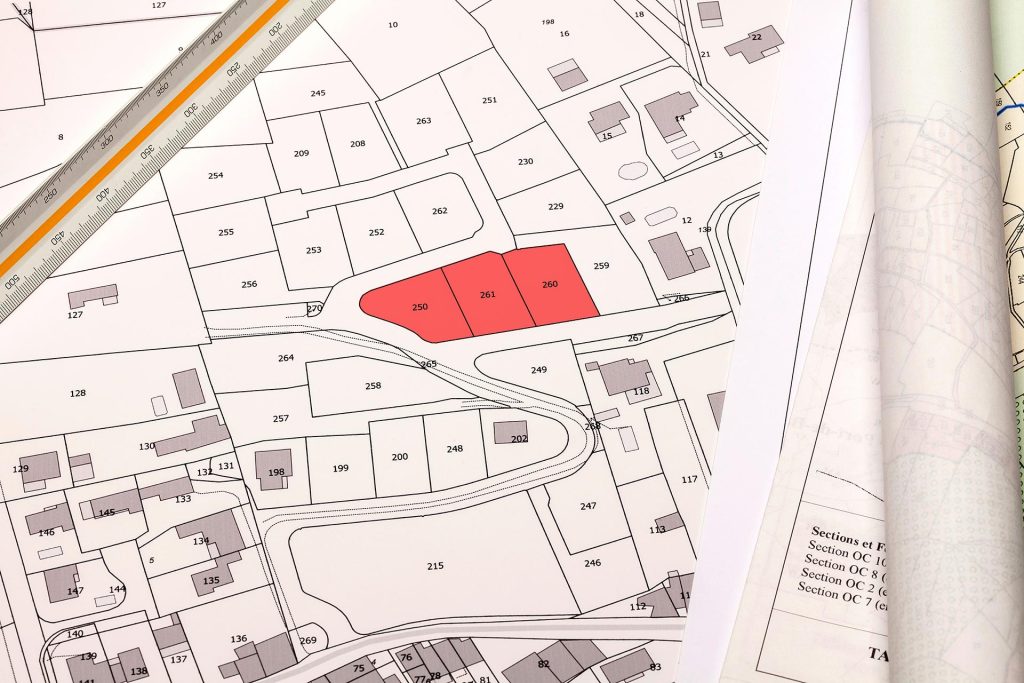
A subdivision plat is a map or plan reflecting the division of a lot, or the parcel of land that creates two or more lots, for the purpose of sale, rent, or building development. Subdivision plats are also used frequently to create streets, public easements, or other rights-of-way.

Why is platting important? In most cities and counties in Texas, you cannot develop a property without submitting a subdivision plat to the City or County and going through the regulatory approval process.

Platting is an extremely important step in a development project because they can have significant requirements, coordination, fees, and timelines that can have an adverse effect on the development process if it is not managed efficiently. Windrose employs a team of platting experts that specialize in the processing of subdivision plat applications, re-zoning applications, special exceptions, variances, and public hearings in Southeast Texas and across the state.

Ready to Develop?

Discover How Platting Can Impact Your Project

Platting Processes

Subdivision platting is a combination of several efforts and phasing to combine survey information with dedicatory and jurisdictional requirements and in most cases has several steps including Plat Preparation, Plat representation, and Recording.

In addition, some plats may require additional efforts and applications to obtain special approvals or variances from development requirements or require public hearings to meet statutory requirements for re-development of certain types of property. As industry experts our surveyors in Houston Texas, and Dallas Texas, can seamlessly guide you through this process.

Exploring Different Types of Platting

Plat Preparation

Plat preparation (calculations) is a pretty comprehensive and involved process. Plat preparation is the effort and coordination with the owners, architects, and engineers to obtain the legal information, deeds, ownership information, lienholder information and other misc. items needed for inclusion on the plat. Plat preparation is also the process involved in acquiring and disseminating the necessary survey features into the elements needed to provide the base map for a subdivision plat. Once the base map is prepared, a technician can overlay the land plan, compare against published development criteria, and then apply necessary easements, setbacks, notes, certifications and dedicatory language required to make an application to the jurisdictional entity.

Plat Representation

Plat Representation is the project management function of a platting process. It entails the coordination and preparation of the application items that are in addition to the subdivision plat that are required to submit to a jurisdiction, as well as the administration and coordination of the submission and recording process. Representing a plat requires several steps ranging from attending preliminary conferences, application preparation, attendance at planning commission meetings, attending recordation review appointments with the city and the county, obtaining final signatures and submitting the final plat to the county recorder’s office for recordation.

Public Hearings

Public Hearings are a secondary and complementary process necessary when re-platting lots or property that are currently, or have been previously, restricted to single-family uses. Subdivision platting in the state of Texas is governed under two chapters of the Texas Local government code. Chapter 212 applies to properties located inside of incorporated cities or ETJ, and Chapter 232 for properties located within the county. Sections of these chapters outline and set forth specific guidelines and process for modifying or amending restricted properties. Public hearings have specific notification and time requirements, including newspaper postings, mailers, and public forums to allow the public to oppose or support a re-development. Knowing and understanding the needs, timelines, fees, and process for public hearing is a Windrose speciality and we successfully represent dozens of projects every year to navigate this time consuming and complicated process for our clients.

Variances

Variances, like public hearings are a secondary process to a subdivision plat. A Variance request is an application submitted to the City or County to request a deviation or waiver from a specific development requirement in order to facilitate a development or address an existing non-conformance. Variances regularly include reducing building setbacks, addressing building heights, waivers or reductions to parking requirements, or to not provide public dedications. Each variance is submitted to the municipality in conjunction with a subdivision plat application and is approved or denied according to its own individual merit. Variances often times require extensive coordination with the owners, engineers, architects, and the city to determine the hardship and feasibility of the specific request and in some cases variances may require additional requirements or an exchange of requirements as a condition of approval. Windrose’s team of platting experts are always available to help review and assess if variances will be necessary to facilitate a development.

Plat Submission

Plat Submission Many cities and counties have specific requirement for the submission of a surveyed plat, that is the way a piece of land is divided. Often there can be different codes or requirements for the platting submission by a municipality depending on the purpose of the plat. Ultimately, a government entity must approve any updates or changes to plat record, which mean submissions and timely approval is needed in order to proceed with land development or land sale projects.

JRC Administration

JRC Administration, JRC is the acronym for Joint Referral Committee and is a committee of several departments within the City of Houston that was created to review and approve requests for abandonment submitted to the city. Request for abandonment can be for any public interests, but are most commonly used to abandon public easements, streets, or utilities lines. The Joint Referral Process is an extensive and cumbersome process, best left to a professional consultant like Windrose. JRC applications require several documents, applications, and in some cases demolition or construction to complete depending on the severity of the case. JRC applications require survey documentation, applications, site photos, field investigation, committee review, appraisals, City Council approval, legal ratification, purchase of property, and ordinance creation for the disposition of property. Most JRC applications take 6-12 months to administer depending on if construction is required. Windrose’s Houston Survey Companies has been involved with dozens of JRC applications and employ a team of experts to navigate the process for our clients.

Request a Quote

Request a Quote – Windrose Services

General Info

Your Name(Required)

How Can We Reach You?

We would love to chat with you. How can we get in touch?
Your Email Address(Required)

Project Details

Please let us know what's on your mind. Have a question for us? Ask away.
Project Address(Required)
MM slash DD slash YYYY
Max. file size: 50 MB.
Size of Property
Scope of Work